Life Is Shifting Fast- Major Forces Shaping Life In 2026/27
Wiki Article
Top 10 Climate And Sustainable Trends Creating Headlines In 2026/27
Sustainability and climate change have moved from the margins of discussions in the public domain to being at the core of strategic planning for the economy, corporate strategy as well as everyday decision-making. Scientific research has been clear for years, but the application of that science into policy, investment and behaviour change is now taking place at a rapid pace and scale that been unimaginable just some years ago. Changes are uneven, debated in some quarters yet not near enough to satisfy many experts. However, the direction of travel is changing in ways that are becoming very difficult to dismiss. Here are the top ten issues related to sustainability and climate that are making headlines in 2026/27.
1. It is the Energy Transition Accelerates Beyond ExpectationsRenewable energy projects continue to outpace even the most optimistic estimates. Solar and wind capacity additions have been breaking records each year, prices have dropped to levels that make renewable energy the most cost-effective option in most markets without subsidy, and investments in grid infrastructure and storage is ramping up to match. The transition to renewable energy is not without the complexity. The fossil fuel dependence remains interspersed throughout many economies and the pace of change can be quite different between regions. However, the rationale for clean energy has become powerful that it's now nearly self-sustaining within the markets who are driving the shift.
2. Carbon Markets Are Mature and Facing More ScrutinyVoluntary carbon markets have passed during a turbulent time as high-profile investigations have revealed that numerous widely traded carbon credits provided less benefits to the climate than the claims. The response has been a campaign for a higher standard that are more transparent, as well as more rigorous verification. Compliance carbon markets linked to regulatory frameworks are growing in both size and geographic reach as the pressure on voluntary markets to demonstrate genuine extra-or-permanentity is altering what credible carbon offsetting looks like. The basic concept remains crucial, but the standards required for a legitimate participation are increasing.
3. Climate Adaptation Receives Long-Overdue InvestmentFor a long time, climate policy was primarily focused on mitigation, reducing emissions for the purpose of limiting future warming. The reality that significant warming is trapped has pushed adaptation, as well as building resilience for those impacts that are not a choice, on the agenda. Coast flood defences, heat-resistant urban design, drought-resistant agricultural practices, and systems of early alerts for severe storms are all getting money which is more honest reckoning with what the coming decades will bring. Adaptation is no longer thought of as giving up on mitigation, but as a crucial element to be added to it.
4. Corporate Sustainability Reporting is now a requirementThe era when voluntary, self-reported, largely undocumented corporate sustainability obligations is drawing to a halt in many areas. Mandatory sustainability disclosure requirements, covering emissions, climate risk exposure, as well as supply chain impacts, are being introduced across major economies. This is forcing organisations to transition from aspirational, net-zero pledges to auditable, documented strategies that provide clear targets for interim periods. The change is making life difficult for many companies, but the shift toward standardised, comparable sustainability information is considered a necessary step towards holding companies accountable for their environmental commitments accountable.
5. The Food System Comes Under Greater Pressure To ChangeAgriculture and land use account an important portion of greenhouse gas emissions worldwide as well as the food system together, which includes production, processing and disposal, has created a carbon footprint that's ever more difficult to see. Consumer behavior is changing gradually increasing the use of plants as prominent and food waste reduction being embraced at the commercial and household levels. Additionally, the pressure on policy makers on emissions from agriculture related to deforestation, food production and utilization of the land to sequester carbon is building to transform the way in which food is produced and in what way.
6. Biodiversity Reduces Risks Traction Alongside ClimateFor the better part of the past decade, biodiversity loss has was a topic that has been left out on climate change both public and policy debates despite being a significant global threat. It is now changing. Corporate reporting requirements, international frameworks obligations along with a heightened level of scientific communication about the connection between ecosystem decline and human welfare are elevating the importance of biodiversity in significant ways. The concept of nature-positive business with a focus on ways to can restore rather than destroy the natural system, is moving from niche commitment to emerging standard, much the way net zero was just a few years ago.
7. Green Hydrogen Moves From Promise to PilotThe production of green hydrogen, made possible by renewable electricity to break down water, has long been touted as a key alternative to decarbonising areas where the direct conversion of electricity is difficult, such as shipping, heavy industry, and long-haul aviation. Its main obstacle has always been cost and the scale. In 2026/27there is a growing many large-scale hydrogen production projects advancing from feasibility studies into production. Costs are declining with the development of electrolyser technology and governments are backing the industry with substantial investments. If green hydrogen is able to scale fast enough to meet expectations of the public is an unanswered issue, but the pace of progress is increasing.
8. Climate Litigation Increases As A Tool for accountabilityLegal action has become one of the most effective methods for holding governments and corporations to their commitments to climate change. A number of cases brought on behalf of citizens, cities, and environmental organisations have produced landmark decisions in various countries, with courts increasingly inclined to conclude that major emitters and even governments are bound by law in connection with the protection of climate change. The number of climate-related legal proceedings have increased sharply in the last five years and continues to increase. for government officials and corporate board members ministers, the legal risk for insufficient climate protection has become a material concern and not just a theoretical one.
9. The Circular Economy Moves Into The MainstreamIn the model that is linear, take into consideration, manufacture, and dispose continues to be under intense pressure from regulation, consumer expectations, and the economic merits of allowing products to remain in use for longer. Extended producer responsibility legislation is expanding, making companies accountable for the impacts of their end-of-life use on their products. Repair recycling, reuse and resale markets are growing across a range of categories including clothing, electronics, and furniture. Major companies are investing seriously in designing solutions and supply chains based around circularity instead it as a side issue. "Circular Economy" has no longer been a niche concept but an increasingly central element of how sustainable business is defined.
10. Public Attitudes Shaped by Climate Fear and BehaviorThe psychological aspect of climate crisis is gaining serious attention. Climate anxiety, a constant fear of environmental degradation, is especially widespread among young people who have been raised having the climate crisis as a important aspect of their life. The impact of this is on consumer behaviour such as career choices, wellbeing, and even political engagement in ways that are becoming evident at a greater scale. What ways do societies aid people in dealing with the effects of climate change and how to channel it into actions rather than apathy or despair is becoming the real issue facing public health educational, social, and leaders in politics.
The magnitude of the issue to be faced by climate change, as well as ecological degradation is huge, and there is an abundance of reasons for some doubt over whether the efforts we are currently making are enough. What the trends above reflect, however, is the fact that we are coping with the issue more deeply that is more pragmatically, in a more immediate manner than at any previously. The gap between what is happening and what is needed remains vast, but is rising in a range of fields, beginning to narrow. To find additional information, browse these respected buzzcore.uk/ for more insight.
 Ten Health And Fitness Developments Dominating In 2026/27
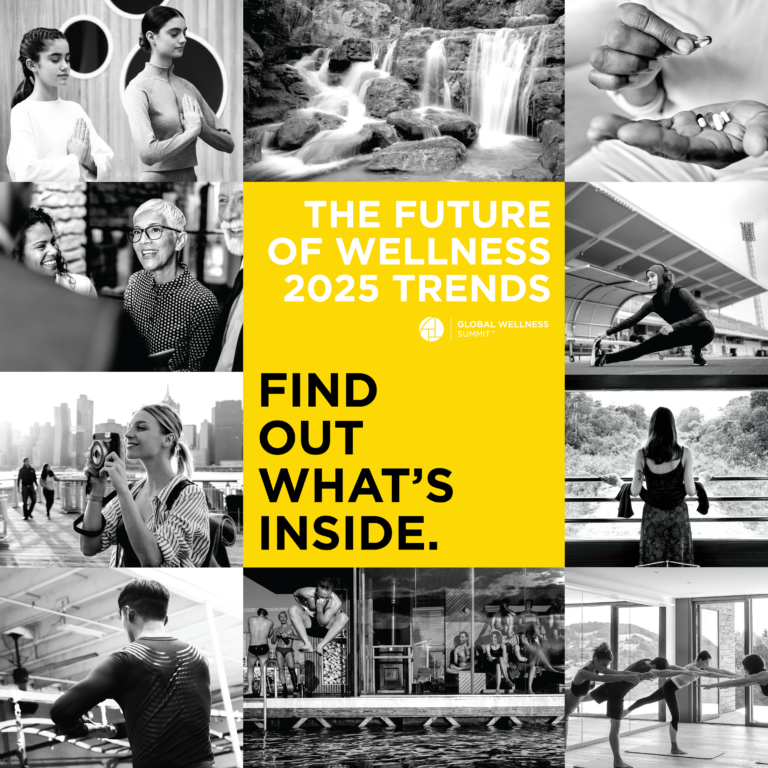
The way people view sport exercising, fitness, and physical performance is changing more rapidly than at almost any previous time. Technology is revolutionizing how high-level athletes train as well as the way that ordinary people perceive and manage their fitness. A culture's views on physical activity have changed in ways that expand involvement, removing old barriers, and introducing different forms of sport and exercise that weren't there prior to a generation. It doesn't matter if you're an avid person, a casual fitness fanatic, or someone just beginning to think about the importance of physical fitness The landscape will look drastically differently as we head into 2026/27. These are the top ten sports and fitness trends that are dominating.
1. Wearable Technology Delivers Increasingly Sophisticated InsightThe latest generation of wearable fitness technology, which is expected to arrive in 2026/27 has gone far beyond counting steps and assessing heart rate. Continuous glucose monitoring, blood oxygen saturation, heart rate variations, skin temperature condition of hydration, sleep structure are all being monitored by wearables for the consumer market with more about the author a level of accuracy that was previously available only in elite or clinical settings. The difficulty has moved from collecting data to interpreting it effectively, and the platforms built around wearables are investing hugely in AI-driven analysis, which transforms information from the body into actionable advice for the everyday user rather than just numbers requiring specialists to interpret.
2. Recovery is now as important as TrainingThe understanding that adaptation towards training occurs during recuperation instead of during the training session which is the reason for recovery has elevated it from a mere fanciful thought to an integral component for fitness and health culture. Optimizing sleep, active rehabilitation strategies, cold water therapy as well as saunas for heat exposure as well as compression technology, massage guns, and nutrition strategies that support recovery are all commonplace concerns instead of specialized interests. Elite sport has long understood that, however, the tools that are available, the knowledge, and the approval to prioritize recovery have recently reached recreational athletes as well as general fitness enthusiasts. This shift is a movement away from the "more is more" strategy for training, and toward an improved calibration of stress and recovery.
3. Functional Fitness can displace pure aesthetic GoalsThe primary motivation behind exercising has been an aesthetic goal, to build a physique that is attractive in a particular manner. A shift in the culture is underway toward functional fitness, which focuses on the things that the body can do, not the way it appears. In the modern world, physical strength, flexibility stability, balance, cardiovascular resilience, and the ability to keep your body physically strong throughout life are all becoming more prominent as motivations for fitness. It is due to a aging populace that is thinking more deeply about longevity and longevity, as well as a larger cultural reassessment of what physical fitness really is for. Training strategies that revolve around movement quality, compound strength and metabolism conditioning are the most obvious users.
4. The Health of your mind and exercise are More and more closely linkedThe evidence supporting regular physical activity with improved mental health outcomes has become enough convincing that exercise is currently being discussed in clinical contexts as a genuine therapy for depression, anxiety, and stress rather than merely as a lifestyle guideline. This is changing the way fitness is marketed and the way people view their own workout routines. The idea of moving as an exercise for mental health as well being a physical fitness maintenance strategy is taking over mainstream consciousness and changing the relationship that many people have to exercise, moving from an obligation in relation to appearance. It is now a way of life that's tied to overall wellbeing. The prescription for exercise by health professionals is becoming more commonplace as a result.
5. Combat Sports Reach New Mainstream AudiencesBoxing, mixed martial arts, kickboxing, and newer forms like bare-knuckle combat have seen an increase in attendance, driven by streaming platforms, social media and the development of crossover events that bring mainstream celebrity attention to combat sports. In addition to spectating, combat sport are gaining popularity and boxing fitness, Brazilian Jiu-Jitsu, Muay Thai, and MMA training drawing large crowds of people who do not have desires to compete, but feel the combination of skill development, physical conditioning, and challenging psychological aspects appealing and in ways traditional gymnastics do not. The culture and community of combat sports gyms has proven to be to be an effective retention method in a health and fitness industry that struggles with dropout.
6. Personalised Nutrition And Supplementation Goes MainstreamThe use of personalized strategies to nutrition for sports, tailored to individual physiology, training demands, recovery needs and health targets rather than relying on general population guidelines is now moving from elite sports into the mainstream fitness world. DNA-based nutrition recommendations, gut microbiome analysis and continuous glucose monitoring to understand individual metabolic responses to food, as well as AI-driven dietary planners are becoming available to amateur athletes and fitness enthusiasts. The supplement industry is advancing to accommodate this change, with more advanced and scientifically-based products replacing the more abstract end of a sector which has historically been prone to over-claiming.
7. Outdoor And Adventure Fitness Experiences SurgeGym-based fitness is increasingly under threat from adventure and outdoor fitness activities that provide the challenge of physical exercise, along with environmental exposure, excitement, and social interaction in ways indoor training isn't able to match. Trail running, open water pool, outdoors climbing gravel cycling, and organized race events are growing significant. It's not just about in terms of variety. The scientific study into the distinct physical and psychological advantages of exercising in natural environments is building an argument for the fact that outdoor movement produces wellbeing outcomes in a way that indoor alternatives do not exactly measure up to. Urban residents with a limited access to nature are creating demand for organized events that bring outdoors activities within reach.
8. Esports And Physical Gaming Invert Traditional BoundariesThe connection between gaming on the internet to physical conditioning is far more complicated than the stereotype of a sedentary lifestyle suggests. Esports athletes practice with structured physical conditioning programmes designed to support the reaction time, concentration and management of stress that their competition demands, and the physical training required to compete at a high level for Esports is being taken more seriously. Simultaneously, physically active gaming models, mixed-reality fitness experience, and gamified exercises platforms are drawing people to activities that they have not previously been involved in traditional fitness. The boundaries between physical exercise the mental game, physical sport, and gaming are being blurred, increasing the number of those who participate in structured physically and mentally based training.
9. Women's Sports Continues to Gain Speed ProgressWomen's sports are experiencing a steady increases in attendances, broadcast audience, sponsorship and culture that marks an actual shift in the structure of the sport rather than a short-term spike. Cricket, football, rugby as well as basketball are all seeing women's sporting events draw the type of commercial focus and funding that was previously concentrated almost entirely in men's sport. The young female talent pool who are participating in organised sports is greater than ever before for most developed countries, which will have long-term consequences for the number of athletes along with participation rates and social acceptance of women as serious athletes. The pattern is extremely positive even as huge differences in the media's coverage, and pay as compared to male-dominated competitions remain.
10. Health and longevity drive a New Fitness PhilosophyOne of the most significant changes regarding fitness and fitness practices that could take place in 2026/27 has been the shifting of training for longevity and healthspan, rather than short-term performance or aesthetic objectives. The scientific research that has been conducted on the relationship between specific training practices, particularly strength training and cardiovascular fitness, as well as long-term effects on health such as metabolic health, cognitive function bone density, mortality risk is altering the way individuals think about what they're training to prepare for. Zone 2 cardiovascular training which helps build the aerobic foundation connected to metabolic health and longevity, as well as the progressive training for resistance to keep endurance and strength as we the aging process are attracting attention from those who are considering what they'd prefer their physical capacity to be when they reach 60 or seventy and beyond.
Fitness and sport in 2026/27 indicate a society that is engaging with physical health in more sophisticated, more personalised, and more holistic ways than in the past. These trends all share one common thread: a change away from narrow focused on appearance, short-term thinking towards an overall and sustainable understanding of what it means being physically healthy. If someone is willing to be involved in this shift, the tools, knowledge and resources available to assist them have never been better. To find further info, explore some of these reliable mediaareena.fi/ for more reading.
 Report this wiki page